Portable Generator Safety
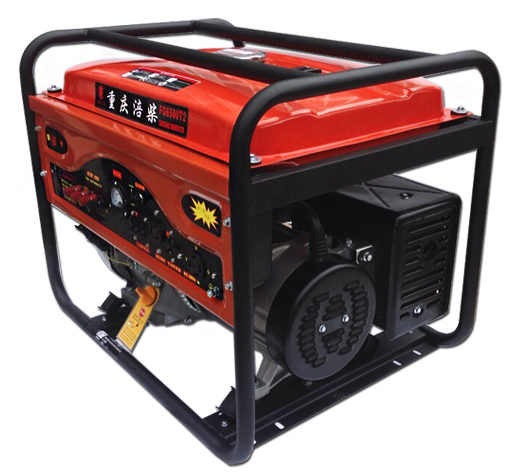
When it comes to portable generators there are a lot of factors to watch out for but portable generators have additional safety concerns because they are portable and not already pre-installed in desired locations. This makes portable generators more susceptible to other dangerous issues such as moving indoors and causing carbon monoxide poisoning or using one near flammable equipment which could lead to fires. The checklist below is a start list of items to watch out for people with portable generators. There are many other issues as well not on this checklist.
Carbon Monoxide Poisoning
One of the most dangerous problems with portable generators and generators in general is that they produce a high amount of carbon monoxide, way more than idle cars. That is why portable generators should never be used indoors or in partially enclosed areas with little or no ventilation. Even using a portable generator near a home or enclosed area can lead to buildup of CO. The CO can build up quickly and lead to serious injury or death. Carbon monoxide is not visible and it's smell is not noticeable and a leak or buildup of it can go undetected.
Preventing Portable Generator Fires
Portable generators can also cause fires if not used properly or if the fuel supply is not stored in a safe place. Fuel for portable generators are flammable and should be stored in labeled containers in areas where there is no heating appliances or in areas that get extremely hot. When refueling a portable generator, take precaution by turning it off for and letting it totally cool off before adding the fuel. This will prevent possible fuel ignition. A portable generator should also be used only in fire safe locations where it will not ignite any fuel or other items.
Minimizing Portable Generator CO Issues
-
Never use a portable generator indoors including garages, basements, or other enclosed spaces
-
Install CO alarms inside homes and other areas where people are constantly located, they help detect CO buildup
-
Take great precaution, any signs of sickness, dizziness, or other illness while near a portable generator should be taken seriously. Get fresh air and if conditions persist, seek help.
| 