| Upcoming Events |
| There are currently no events |
| View All Events |
| 2026 Call Volume | |||
| Month | Fire/MVA | EMS | Total |
| Jan | 28 | 70 | 98 |
| Feb | 25 | 72 | 97 |
| Mar | 36 | 60 | 96 |
| Apr | 34 | 62 | 96 |
| May | 33 | 79 | 112 |
| June | 38 | 73 | 111 |
| July | 37 | 74 | 111 |
| Aug | 45 | 73 | 118 |
| Sept | 59 | 57 | 116 |
| Oct | |||
| Nov | |||
| Dec | |||
| Total | 335 | 620 | 955 |
| 2025 Call Volume | |||
| Month | Fire/MVA | EMS | Total |
| Jan | 32 | 59 | 91 |
| Feb | 29 | 38 | 67 |
| Mar | 22 | 49 | 71 |
| Apr | 25 | 51 | 76 |
| May | 31 | 49 | 80 |
| June | 43 | 42 | 85 |
| July | 40 | 48 | 98 |
| Aug | 45 | 67 | 112 |
| Sept | 29 | 51 | 80 |
| Oct | 29 | 39 | 68 |
| Nov | 31 | 72 | 103 |
| Dec | 31 | 86 | 117 |
| Total | 387 | 651 | 1048 |
| 2024 Call Volume | |||
| Month | Fire/MVA | EMS | Total |
| Jan | 46 | 61 | 107 |
| Feb | 28 | 52 | 80 |
| March | 25 | 65 | 90 |
| April | 36 | 51 | 87 |
| May | 30 | 74 | 104 |
| June | 35 | 54 | 89 |
| July | 26 | 57 | 83 |
| Aug | 38 | 60 | 98 |
| Sept | 30 | 81 | 111 |
| Oct | 39 | 56 | 95 |
| Nov | 28 | 50 | 78 |
| Dec | 40 | 47 | 87 |
| Total | 401 | 708 | 1109 |
| 2023 Call Volume | |||
| Month | Fire/MVA | EMS | Total |
| Jan | 29 | 48 | 77 |
| Feb | 40 | 53 | 93 |
| March | 18 | 53 | 73 |
| April | 36 | 50 | 86 |
| May | 25 | 63 | 88 |
| June | 34 | 51 | 85 |
| July | 52 | 66 | 116 |
| Aug | 38 | 48 | 86 |
| Sept | 34 | 57 | 91 |
| Oct | 40 | 63 | 103 |
| Nov | 18 | 54 | 72 |
| Dec | 28 | 47 | 75 |
| Total | 392 | 653 | 1045 |
| Web Counters | ||||||
|
|
The call taker is required to ask many questions in order to give responders an accurate picture of your situation. It is important to understand that when an emergency is being reported, responders are usually already on the way while you are on the phone.
Emergency Medical Calls When you call 9-1-1 to report a medical emergency, your call will be processed by a professional emergency call-taker with specialized training to deal with crises over the phone. This call taker will be able to provide real-time instruction in CPR, severe bleeding control, child birth, as well as other life-saving first aid techniques. There are four universal questions that the call taker will ask in order to put their knowledge and experience to work for you quickly and effectively after your address and callback number has been verified.
· What’s the problem, tell me exactly what happened. · How old is the patient? · Is the patient conscious? · Is the patient breathing?
The call taker will then ask questions about the patient’s specific condition. This aids the dispatcher to determine if a paramedic (advanced life support) is needed and if the responders need to use lights and sirens.
Getting this critical information from you typically takes less than 30 seconds. In all cases, remember the most important thing you can do when calling 9-1-1 is to listen carefully and do exactly what the call taker asks you to do.
Fire Calls If you smell smoke or have a fire inside your house, leave your house immediately, close the door behind you but do not lock it. Go to your neighbor’s house or use your cell phone to call 9-1-1 once you’re safe and out of danger. Once you’re out of the house stay out, do not go back in for any reason. You and your family should meet at a central location (like the mailbox) and be prepared to tell firefighters where any hazards or injured people are. Just like EMS emergencies, the 9-1-1- call taker will ask a series of questions about the fire condition you are reporting. This will aid Firefighters and provide them with specific information to quickly assist you when they arrive on scene. 9-1-1 Dispatchers will want to know:
· What is the address of the Emergency ? · What exactly is burning? · Do you see flames or smoke? · Are there any injuries ?
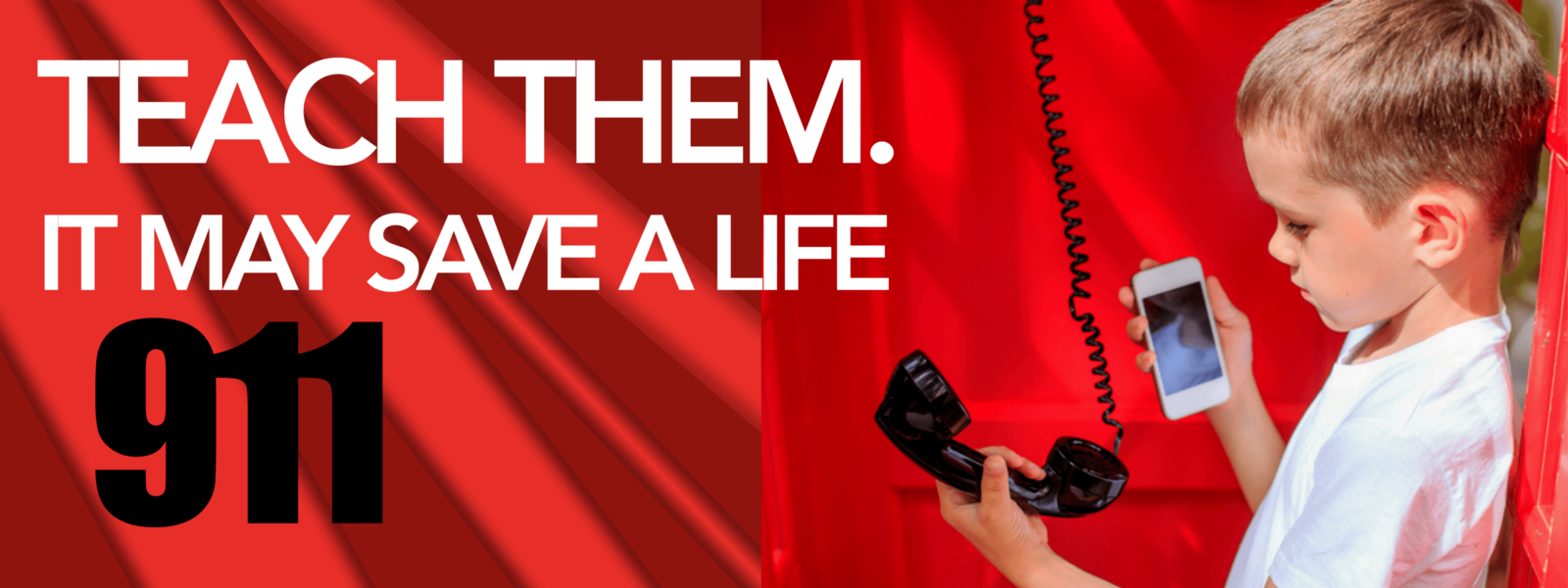
Children and 911 Remember to discuss with your children when and how to call 9-1-1. Teach them never call 9-1-1 to play a joke or call in a false alarm. Never refer to 9-1-1 as nine eleven because this phrase may confuse a child since there is no eleven on the telephone keypad.
Babysitters and 911 Make sure your home phone number, address and the nearest cross street is clearly posted for the babysitter to read from if needed. This is especially important when you drive the babysitter to and from your house, where they might not be familiar with the area.
Accidental calls to 911 If you accidentally call 911, do not hang up without talking to the dispatcher. Explain that you misdialed and didn't mean to call 911. This will save the dispatcher some very valuable time. If you hang up without talking to the dispatcher, they will call you back. If they receive a busy signal, voice mail or no answer, they will dispatch a police officers to your house to verify that everything is all right.
Important numbers to remember: Fire and EMS Emergency Calls: DIAL 9-1-1 Seneca Hose Fire Department Non-Emergency: 716-825-5511 West Seneca Police Non Emergency: 716-674-6000 |